Stories of Practice:

How three organizations recruit, develop, + retain organizer staff
A black and white image of four young, multi-racial adults, all standing with their arms raised. One is holding and shouting into a megaphone, while the others are holding up protest signs.

Recruiting, developing, and retaining organizers is an enduring challenge for organizing groups. Organizers are essential to lasting power building, yet many organizations struggle to build and keep a bench of skilled, experienced organizers.

While the challenges are widespread, there are bright spots—organizations innovating or doubling down on practices and investments to strengthen and retain their organizers. On this page, we share stories from three of these organizations that offer insights and inspiration for a path forward.
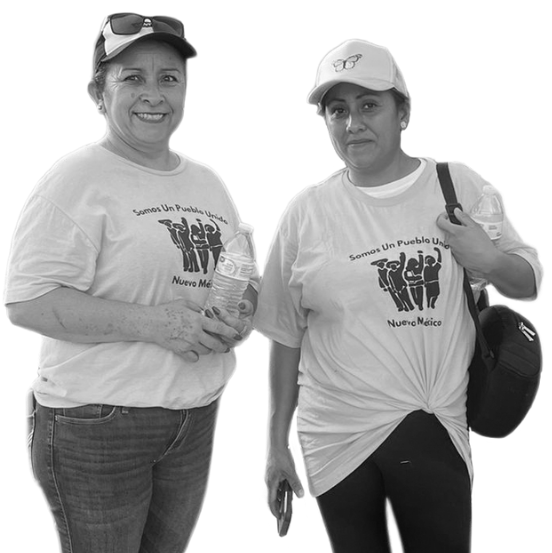

A black and white image of two middle-age medium skin women wearing matching Somos Un Pueblo Unido t-shirts, standing and smiling.

Building Leaders,
Building Power:

How Somos Built an Organizer Pipeline

Read the story in English Leer la historia en español

Somos un Pueblo Unido (Somos) is a rural- and immigrant-led organization dedicated to advancing worker and racial justice in New Mexico. Guided by a deep commitment to community-led organizing, Somos implements an internship program to recruit and build leaders and organizers from their base. Through the internship, Somos strengthens its organizing infrastructure and builds a pool of talented leaders and organizers who reflect the lived experiences of the community they organize.

Key Learnings from Somos

The mental transition from being a leader to an organizer is hard and requires support. Somos provides interns with training to support them to shift their mindset to one that facilitates leaders’ growth.

Interns need access to next-level organizing training that is context-specific and language-accessible. Trainings and resources provided by national networks and training institutes are not often relevant and accessible to Somos interns.

To bring in organizers from your base, meet them where they are. Somos creates a culture that is welcoming and supportive of people facing economic challenges and fear of deportation or other adverse immigration actions.

A black and white image of a young light skin woman standing with a piece of paper in one hand and gesturing with a pen with her other hand.

From Isolation to Power:

WORC’s Model for Organizer Development

Read the story in English Leer la historia en español

Founded in the 1970s by a handful of grassroots organizations fighting to protect their land from coal development, the Western Organization of Resource Councils (WORC) has a long history of supporting its ten network organizations to learn and act together. To develop skilled and resilient organizers across its network, WORC offers one-to-one mentorship, training, cohort learning, and consulting to member organizations.

Key Learnings from WORC

Whether you are a network or organizing group, dedicate at least one staff person to developing organizers. That person should have organizing experience and should be able to nurture both skill-building and the personal growth that is fundamental to strong organizing.

Provide multiple types of support for organizers to grow individually, in relationship with others, and through both training and experience. There’s no one silver bullet that will ramp up organizers’ skills–it takes many different kinds of support, used in tandem.

Secure buy-in from the people who make decisions about and have influence over how organizers use their time and capacity. It doesn’t matter how good your organizer development program is if organization leaders and resource gatekeepers aren’t bought in.

A black and white image of a young light skin man standing and speaking at a podium with a microphone, with a t-shirt draped over the podium that reads “Corporate greed has no place in healthcare.”

Why Organizers Stay:

Inside CHP’s Approach to Power Building

Read the story in English Leer la historia en español

Eight years ago, the Center for Health Progress (CHP) began its transformation from a policy and advocacy organization to one that fights for equity and justice in Colorado through organizing and power building. At the heart of this shift was the belief that to build power, they needed to retain skilled organizers for the long-term. To do this, CHP has created a culture organizers want to be part of by emphasizing care, trust, rigor, and accountability.

Key Learnings from CHP

Retaining organizers requires an immense amount of time and money. Each organization needs to decide how much it’s willing to invest and what it’s willing to trade-off to prioritize organizer growth and well-being.

Investing in organizers growth and retention is ongoing. It requires embracing risk-taking and failure as growth opportunities.

Creating a culture that retains organizers is complex, and there is no silver bullet. It requires fostering and balancing care, rigor, accountability, transparency, and adaptation.